


Ford and Resideo Unveil V2H Energy Management Partnership
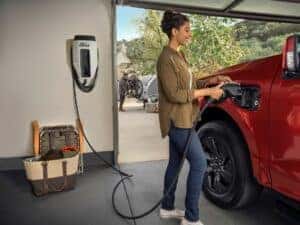
Today, Ford and Resideo Technologies, Inc. (NYSE: REZI) have unveiled an ambitious collaborative venture – the “EV-Home Power Partnership” – aimed at delving into the realm of vehicle-to-home (V2H) energy management. This groundbreaking project marks a concerted effort to harness the potential of electric vehicle (EV) batteries in optimizing home energy management.
The primary objective of the EV-Home Power Partnership is to conduct a comprehensive exploration, testing, and quantification of the array of benefits that can arise from coupling bi-directional EV charging with Resideo’s cutting-edge smart thermostat technology. The overarching aim is to empower customers with the potential to trim their monthly electric bills, alleviate strain on the U.S. electric grid, facilitate the adoption of cleaner energy sources, all while ensuring a heightened level of homeowner comfort.
In a remarkable first, Ford stands at the forefront in the U.S. with the introduction of a full-size electric truck capable of bi-directional charging for residential use in North America. Partnering with Resideo, a global leader in home comfort solutions, First Alert security, safety, and a prominent provider of residential load management programs for utilities, this collaboration seeks to explore and redefine home energy management, a feat previously unattainable with traditional internal combustion engine vehicles.
The F-150 Lightning, already equipped with Intelligent Backup Power, possesses the capability to power a home during an outage using energy stored in its battery. The EV Home Power Partnership seeks to simulate the fusion of Resideo’s smart thermostats with the F-150 Lightning’s battery, strategically channeling stored energy to efficiently manage the home’s heating and cooling systems.
This pioneering project is meticulously designed to evaluate how the synergy between bi-directional EV charging and a smart thermostat can curtail the overall energy consumption of a home during periods of electric grid stress. Simultaneously, it aims to minimize energy usage during peak hours by automating the home to align with a consumer’s Time-of-Use (TOU) electricity rate. Moreover, the project endeavors to assess how this coordination between the battery and smart thermostat can optimize the utilization of cleaner energy from the grid, particularly when renewable energy sources are readily available.
Bill Crider, Head of Global Charging and Energy Services at Ford Motor Company, highlighted the transformative potential of driving electric vehicles, not just for individual consumers but also for fostering a more sustainable energy ecosystem. He expressed excitement about the prospect of unlocking new vehicle-to-home energy management solutions, potentially paving the way for unprecedented vehicle-to-grid services, a realm previously unexplored with conventional vehicles.
The integration of electric vehicle battery storage holds promise in stabilizing the electric grid, ensuring homeowner comfort during outages or energy events, and enabling cost savings by utilizing stored energy during peak demand periods when energy costs soar. Together, Ford and Resideo envision a future where electric vehicles and homes share a common energy source, intelligently interacting for the mutual benefit of the customer and the environment alike.
Dana Huth, EVP and Chief Revenue Officer at Resideo, highlighted the significant impact of both vehicles and home climate control on an individual’s carbon-emission footprint. Through the EV Power Partnership project, she expressed enthusiasm for exploring new avenues for F-150 Lightning owners to leverage their EV battery to power their home’s heating and cooling systems, optimizing energy use and enhancing comfort. Huth emphasized the creation of energy-efficient ecosystems between globally trusted brands, aiming to fortify the electric grid, prepare it for greater renewable integration, and deliver tangible energy savings for consumers.
Project work has already commenced and is expected to culminate in the first half of 2024, marking a significant stride towards a future where electric vehicles seamlessly integrate with smart homes, transforming energy management and fostering a more sustainable, efficient, and interconnected world.
Don’t miss out on any of the latest news and updates from Ford! Be sure to check out our blog here at Haldeman Ford and explore our online inventory of vehicles currently available.

0 comment(s) so far on Ford and Resideo Unveil V2H Energy Management Partnership